
HGH
HGH Growth Hormone: Complete Beginner Guide
Mar
Hormones play an essential role in how the human body grows, repairs itself, and maintains overall balance. Among these important biological messengers, HGH growth hormone has gained significant attention in health science, wellness discussions, and biological research. Many people hear about it in connection with growth, metabolism, or physical development, but few fully understand how it works inside the body.
This guide explores the fundamentals of HGH growth hormone, including its role in human biology, how it influences growth and metabolism, and why it continues to be a major focus in modern research and health discussions.
What Is HGH Growth Hormone?
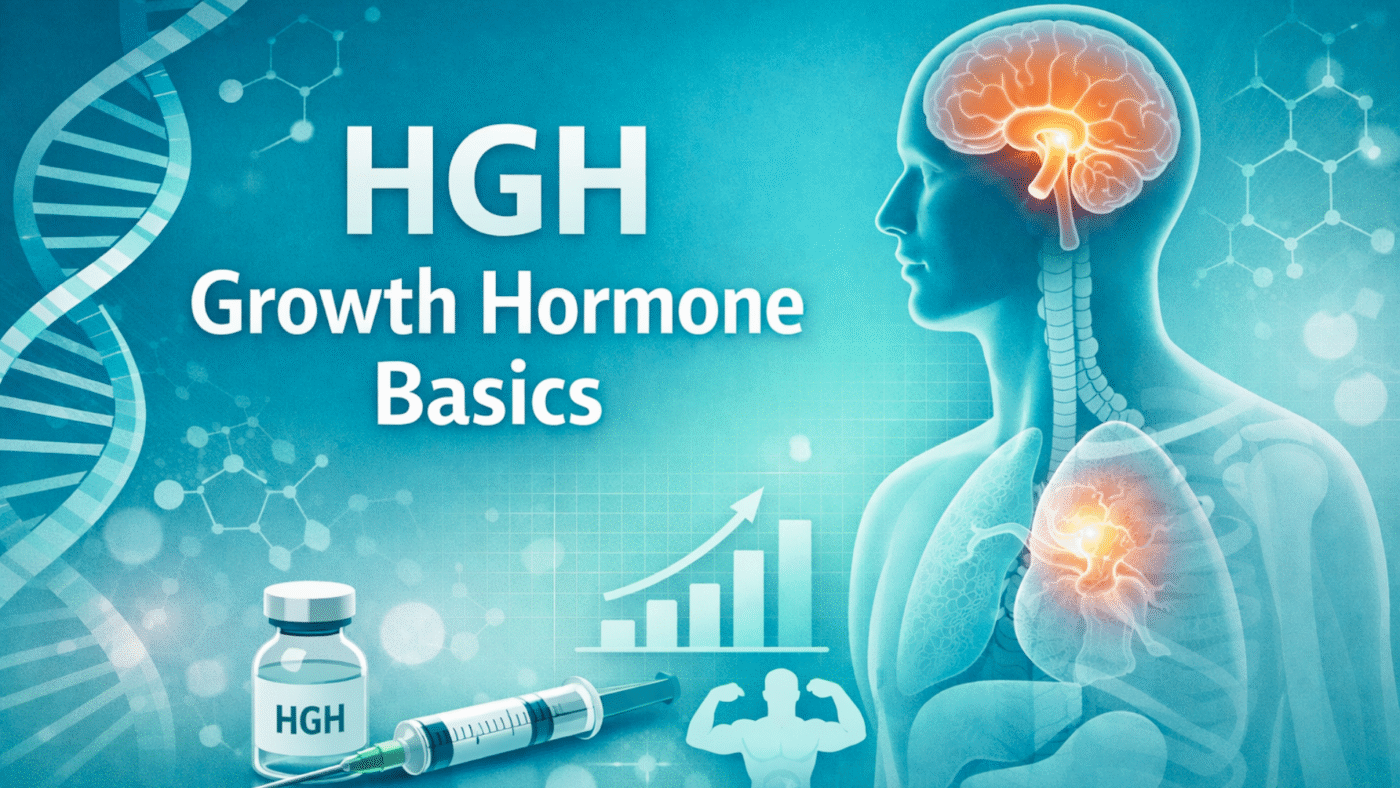
HGH growth hormone, also known as human growth hormone, is a naturally occurring hormone produced by the pituitary gland. This small gland located at the base of the brain acts as one of the key regulators of hormone production in the body.
The primary function of HGH is to support growth, cell regeneration, and tissue development. It plays a critical role during childhood and adolescence when the body is developing rapidly. However, even in adulthood, this hormone continues to support important biological processes.
The body releases HGH in pulses throughout the day, with the highest levels typically appearing during deep sleep. This release pattern helps regulate various physiological processes such as tissue repair and metabolism.
The Role of HGH in Human Development
One of the most recognized functions of HGH growth hormone is its role in physical growth. During childhood and teenage years, this hormone stimulates the growth of bones and cartilage, contributing to overall height and skeletal development.
In addition to supporting growth, HGH also contributes to:
- Muscle tissue development
- Bone density maintenance
- Cell regeneration
- Organ growth and repair
Because of these functions, the hormone is closely linked to the body’s natural development process.
Even after growth plates close in adulthood, HGH growth hormone continues to help maintain body composition and cellular repair mechanisms.
How HGH Affects Metabolism
Another important aspect of HGH growth hormone is its influence on metabolism. Metabolism refers to how the body converts food into energy and how nutrients are used for bodily functions.
Research shows that HGH may influence several metabolic processes, including:
Fat Metabolism
The hormone plays a role in how the body uses stored fat for energy. This process helps maintain energy balance and supports overall metabolic function.
Protein Synthesis
HGH growth hormone contributes to protein synthesis, which is the process the body uses to build and repair tissues.
Blood Sugar Regulation
The hormone also interacts with other metabolic signals in the body, influencing how glucose is processed and utilized.
These metabolic functions explain why HGH is often studied in the context of physical performance, recovery, and overall metabolic health.
HGH Production in the Body
The production of HGH growth hormone is controlled by the endocrine system. Several factors influence how much of this hormone is released, including:
- Sleep cycles
- Physical activity
- Nutrition
- Age
- Stress levels
During childhood and adolescence, the body produces higher levels of HGH to support rapid development. As people age, natural hormone production gradually declines.
This gradual change is considered a normal part of the aging process and has become an area of ongoing scientific study.
Why HGH Is Widely Discussed in Health Science
In recent years, HGH growth hormone has become one of the most talked-about hormones in health science and biological research. Scientists continue to study its potential connections to physical development, metabolic health, and tissue regeneration.
Several research areas focus on understanding how HGH influences:
- Cellular repair processes
- Muscle and bone health
- Energy metabolism
- Age-related biological changes
Because the hormone interacts with many systems in the body, it remains an important topic in endocrinology and medical research.
HGH and the Endocrine System
The endocrine system is responsible for regulating hormones throughout the body, and HGH growth hormone is a key component of this complex network.
The hormone works alongside other important hormones such as:
- Insulin
- Thyroid hormones
- Cortisol
- Insulin-like growth factors (IGF)
Together, these hormones help maintain internal balance and support essential physiological processes.
Understanding how HGH interacts with other hormones helps researchers better understand the body’s regulatory systems.
Natural Factors That Support Hormone Balance
While the body naturally regulates HGH growth hormone, several lifestyle factors are often discussed in connection with overall hormone balance.
Some commonly mentioned factors include:
Quality Sleep
Deep sleep cycles are associated with increased natural release of HGH.
Regular Physical Activity
Exercise may influence hormone signaling and support metabolic activity.
Balanced Nutrition
Nutrient intake supports the body’s overall hormonal environment.
Stress Management
Hormonal balance can be influenced by long-term stress levels.
Maintaining healthy lifestyle habits helps support overall endocrine system function.
Scientific Interest in HGH Research
Modern biological research continues to explore the role of HGH growth hormone in many areas of human health. Scientists are particularly interested in understanding how hormones influence aging, metabolism, and tissue repair.
Because the hormone plays such a central role in biological processes, HGH remains an important subject in medical education and research discussions.
New studies regularly investigate how hormones interact with genetics, lifestyle factors, and environmental influences.
Conclusion
HGH growth hormone is one of the most important hormones involved in human growth, metabolism, and tissue maintenance. Produced by the pituitary gland, it supports a wide range of biological processes throughout life.
From childhood development to adult metabolic balance, HGH plays a key role in maintaining the body’s natural functions. Ongoing scientific research continues to explore how this hormone influences health, performance, and cellular regeneration.
Understanding the basics of HGH helps create a clearer picture of how the body regulates growth, energy use, and overall biological balance.
FAQ
1. What is HGH growth hormone and why is it important?
HGH is a natural hormone produced by the pituitary gland that plays a key role in growth, cell repair, and metabolism. It helps regulate body development during childhood and continues to support tissue maintenance and energy balance in adulthood.
2. How does HGH growth hormone work in the body?
HGH works by stimulating growth factors that support bone development, muscle growth, and cell regeneration. It also influences how the body uses nutrients such as proteins and fats for energy and tissue repair.
3. Why is HGH growth hormone widely studied in health science?
Researchers study HGH because it affects many biological processes, including growth, metabolism, and tissue regeneration. Its role in the endocrine system makes it an important topic in medical and scientific research.
Read More:
N-Ethylhexedrone Crystal (NEH Hexen Crystal) – Complete Guide
Methcathinone Crystals Guide: Understanding a Cathinone Derivative
Understanding the Structure and Background of a Cathinone Derivative
