
RESERCH CHEMICALS
Xylazine Hydrochloride (Xylazine HCl) Powder: Uses, Effects, and Safety Guide
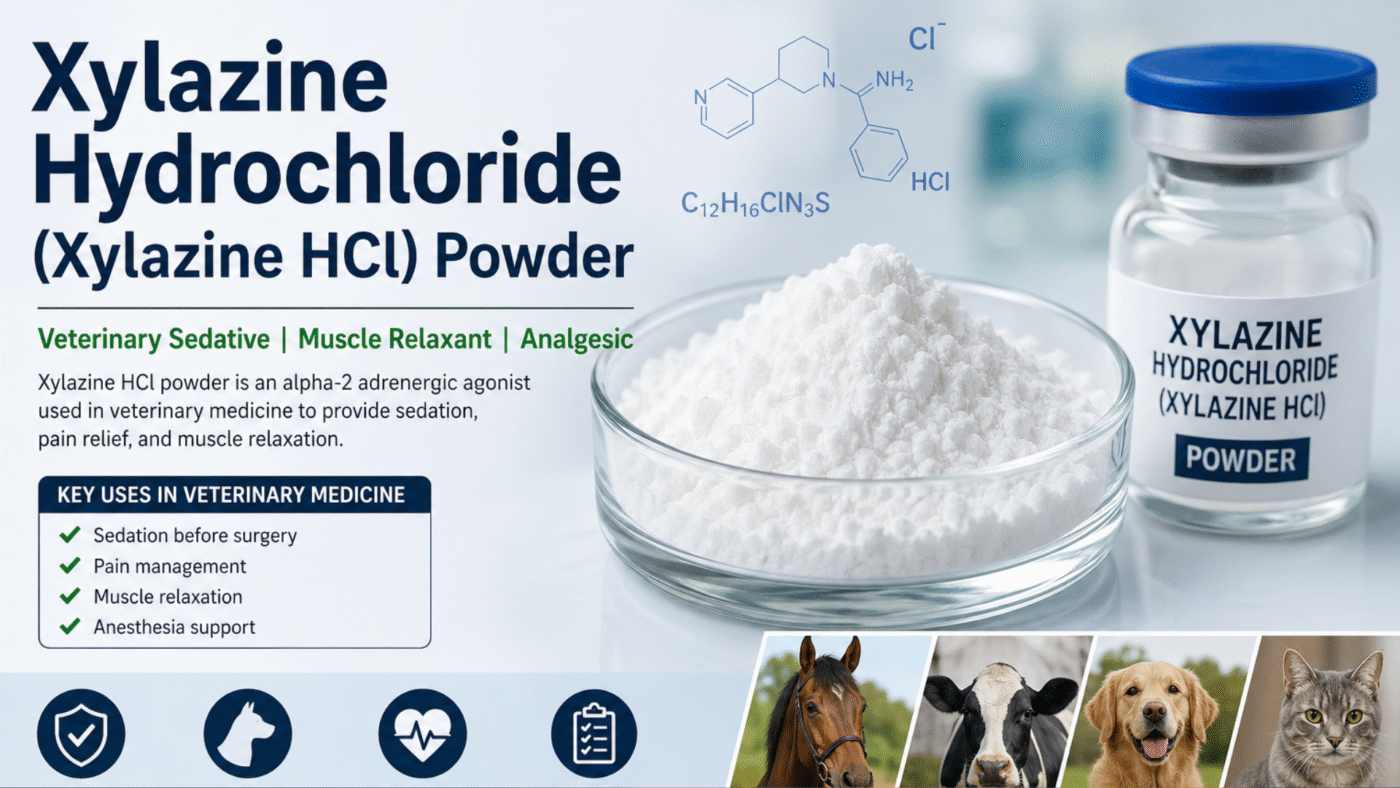
Apr
Introduction
Xylazine HCl powder is a powerful veterinary medication primarily used as a sedative, muscle relaxant, and analgesic for animals. Originally developed for use in veterinary medicine, it plays an important role in procedures involving large animals such as horses, cattle, and sometimes smaller animals under professional supervision.
In recent years, however, Xylazine HCl has gained attention beyond veterinary use due to increasing concerns about misuse and its involvement in public health issues. Understanding its legitimate applications, effects, and risks is essential for awareness and safety.
This guide provides a complete overview of Xylazine HCl powder, including how it works, its uses, and why caution is critical.
What is Xylazine HCl Powder?
Xylazine hydrochloride is a central nervous system depressant that belongs to a class of drugs known as alpha-2 adrenergic agonists. It is not approved for human use but is widely used in veterinary medicine.
Basic Information Table
| Property | Details |
|---|---|
| Chemical Name | Xylazine Hydrochloride |
| Form | Powder / Injectable Solution |
| Drug Class | Alpha-2 Adrenergic Agonist |
| Primary Use | Veterinary Sedative |
| Human Approval | Not Approved |
How Does Xylazine Work?
Xylazine HCl works by stimulating alpha-2 receptors in the brain and spinal cord. This leads to:
- Reduced nerve signal transmission
- Sedation and calming effects
- Muscle relaxation
- Pain relief (analgesia)
Key Effects on the Body
- Slows heart rate
- Lowers blood pressure
- Causes drowsiness or deep sedation
- Reduces response to pain
Veterinary Uses of Xylazine HCl Powder
The primary and legitimate use of Xylazine HCl is in animal healthcare.
Common Veterinary Applications
- Sedation before surgery
- Pain management during procedures
- Muscle relaxation for examinations
- Anesthesia support
Animals Commonly Treated
- Horses
- Cattle
- Deer and wildlife
- Dogs and cats (in controlled doses)
Forms and Administration
Although referred to as Xylazine HCl powder, it is typically processed into a liquid form for injection in veterinary settings.
Available Forms
- Powder (raw or pharmaceutical-grade)
- Injectable solution
- Combination formulations with other anesthetics
Important: Handling and administration should only be done by trained professionals.
Risks and Safety Concerns
The growing concern around Xylazine HCl powder comes from its misuse and serious side effects, especially outside veterinary settings.
Major Risks
- Severe respiratory depression
- Low blood pressure (hypotension)
- Loss of consciousness
- Skin ulcers and tissue damage (in misuse cases)
Why It’s Dangerous for Humans
- Not approved for human consumption
- Difficult to reverse in emergencies
- Often mixed with other substances, increasing risk
Side Effects Overview
Common Side Effects (Animals)
- Drowsiness
- Reduced movement
- Temporary drop in heart rate
Severe Effects (Misuse Cases)
- Breathing problems
- Extreme sedation
- Coma-like state
- Risk of overdose
Comparison Table: Veterinary Use vs Misuse Risks
| Aspect | Veterinary Use | Misuse Scenario |
|---|---|---|
| Supervision | Professional | None |
| Dosage Control | Precise | Uncontrolled |
| Safety | Managed | High Risk |
| Purpose | Medical | Non-medical |
Legal and Regulatory Status
The legal status of Xylazine HCl powder varies by country, but generally:
- Approved for veterinary use
- Not approved for human use
- May be regulated or monitored due to misuse concerns
Storage and Handling
Proper storage of Xylazine HCl powder is critical for safety and effectiveness.
Storage Guidelines
- Keep in a cool, dry place
- Store away from direct sunlight
- Use sealed, labeled containers
- Keep out of reach of unauthorized individuals
Why Awareness is Important
Public awareness about Xylazine HCl powder has become increasingly important due to:
- Rising misuse cases
- Health risks when combined with other substances
- Lack of awareness about its dangers
Key Takeaways
- It is a veterinary-only medication
- Misuse can lead to serious health complications
- Proper handling and regulation are essential
Frequently Asked Questions (FAQs)
1. Is Xylazine HCl powder safe for humans?
No, it is not approved for human use and can be dangerous.
2. What is it mainly used for?
It is used as a sedative and pain reliever in veterinary medicine.
3. Why is it considered risky?
Because it can cause severe sedation, breathing issues, and is often misused.
4. Can it be used without a veterinarian?
No, it should only be handled by trained professionals.
Conclusion
Xylazine HCl powder is an important tool in veterinary medicine, providing effective sedation and pain relief for animals. However, its increasing visibility outside of professional settings has raised serious health and safety concerns.
Understanding the proper use, effects, and risks of Xylazine HCl powder is essential for responsible awareness. Whether you are researching for educational purposes or general knowledge, staying informed helps promote safer practices and better public health outcomes.
Read More:
U-48800 Powder: Risks, Effects, Legal Status, and Safety Awareness Guide
Dermorphin 5mg: A Complete Guide to Effects, Risks, and Research
PMK (3,4-Methylenedioxyphenylpropan-2-one): Complete Guide to Uses, Risks, and Legal Status
